A clear curriculum for bouquet mechanics, color, and seasonal design.
This page shows how the course is sequenced—what you practice first, how skills stack, and where event-style work fits in. Each module includes repeatable drills and a short critique framework to keep progress measurable without guesswork.
Grip, rotation cadence, and tension.
Hydration, hygiene, and storage.
Value, undertone, and accents.

Filmed demonstrations with clear hand position, stem direction, and finishing steps.
Curriculum overview
The sequence is deliberate. Early modules focus on conditioning and stem mechanics because they prevent common failure points: bent necks, cloudy water, bruised petals, and hand-ties that collapse after transport. Once the fundamentals feel automatic, the course shifts toward palette planning and seasonal substitution so you can shop at a market with confidence—using value, undertone, and controlled accent placement rather than guessing.
Throughout, we use a consistent critique checklist: silhouette, negative space, stem direction, and rhythm. It’s a methodical way to improve without chasing trends. Event-style work is introduced with pragmatic constraints—stability, hydration, and mechanics—so you can build pieces that look intentional and hold up over time. The course is educational and skills-based, with no outcome promises.
Module 1–2: Conditioning, hydration, and stem handling
Learn bucket hygiene, clean cutting, and hydration timing, then apply it to common flower groups with different needs. You’ll cover water clarity, temperature, and ethylene sensitivity as practical routines, not theory. Expect checklists for market days and storage.
Module 3: Spiral foundation
Grip placement, rotation cadence, and tension control so stems don’t slide. You’ll practice with foliage first, then add focal flowers.
Module 4: Bouquet structure and silhouette
Build round and garden silhouettes using focal, secondary, and airy layers. Learn proportion and negative space as repeatable ratios.
Module 5–6: Color matching and seasonal substitution
Plan with value first (light-to-dark), then refine with undertones and one controlled accent. You’ll learn “shopping rules” for markets—how to substitute varieties while keeping a palette coherent. The goal is to reduce indecision and avoid muddiness.
Module 7: Foam-free arrangements
Taped grids, chicken wire support, pin frogs, and anchoring—chosen by vessel shape and stem weight.
Event-style module focus
Event work looks dramatic, but it’s governed by simple constraints: stability, hydration, and mechanics that don’t shift during setup. This part of the curriculum breaks down small-scale event pieces in a practical way. You’ll learn how to choose a vessel, set a secure base, and build a clean line that reads well from a distance.
We cover wiring and taping where it genuinely helps, and we show foam-free alternatives when they’re appropriate. Expect clear guidance on focal placement, directional movement, and “rest moments” (negative space) so designs don’t become crowded. The outcome is a repeatable build sequence you can scale up or down depending on stem availability.
- Structure choices: taped grid vs. wire support vs. pin frog
- Stem mechanics: anchoring, direction, and weight distribution
- Longevity: hydration decisions that keep pieces fresh longer

Mechanics first, decoration second. The build order stays the same even when the flowers change.
Register interest for curriculum details
If you’d like the full module outline and what to practice each week, send your name and email. We’ll reply with course details and next steps. No phone number is required, and we do not sell your data.
This course is intended solely for educational purposes and does not guarantee professional certification, employment, business growth, or specific results.
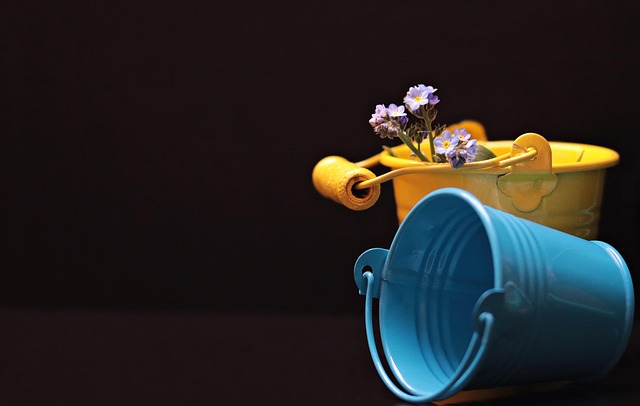
Market-friendly practice: learn how to choose stems that behave well for drills.
Want the full module outline by email?
Use the registration form to receive course details and next steps. No phone number required.
- What to practice first (and why)
- Color planning steps with examples
- Reply within 1–2 business days