Learn bouquet construction and modern floral design with studio-level instruction.
Beltrarvo’s online course teaches practical mechanics—spiral hand-ties, foam-free structures, flower conditioning, and seasonal composition—through clear demonstrations and repeatable recipes you can practice at home.
Conditioning, hydration, and storage.
Spiral binding and foam-free supports.
Palette planning by availability.
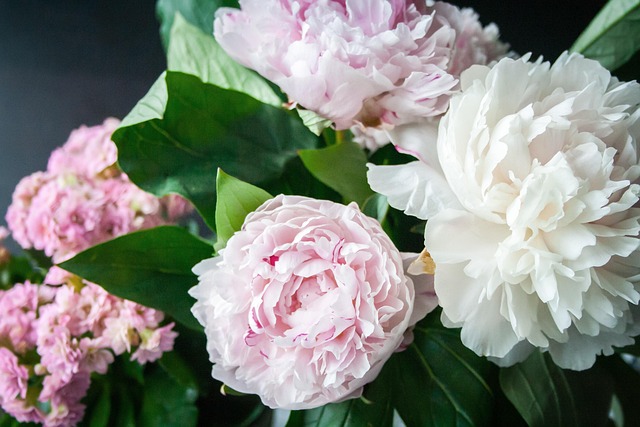
Practical demonstrations, clear angles, and repeatable mechanics you can practice with market flowers.
What we teach (and how it’s structured)
The course is built around the unglamorous parts that make bouquets look effortless: stem prep, water management, and reliable mechanics. You’ll learn how to condition flowers for maximum vase life, how to choose a workable palette using hue, value, and saturation, and how to build a clean silhouette with focal, secondary, and airy elements. We explain bouquet “recipes” as ratios so you can swap varieties by season without losing balance.
Lessons also cover wiring, taping, and bouquet handle finishing, plus foam-free approaches for small event pieces where structure matters. You’ll practice hand-tied spiral binding, bowl arrangements with chicken wire, and simple installations that rely on secure anchoring rather than heavy hardware. Each module includes checklists and a short critique framework so you can assess proportion, negative space, and stem direction with a calm, methodical eye.
Bouquet construction that holds its shape
Learn spiral binding, stem direction, and weight distribution so bouquets travel well and photograph cleanly. We focus on grip position, rotation cadence, and the small adjustments that keep a round or garden-style silhouette controlled.
Flower care & conditioning
Conditioning steps by flower type, clean cutting, hydration strategy, and temperature control.
Color pairing & palette planning
Build palettes using value contrast, undertones, and controlled accent placement.
Seasonal compositions & sourcing
Work with what’s best each season—textures, line flowers, and foliage—without forcing out-of-season looks. We cover market selection, substitution logic, and how to keep designs coherent when availability shifts.
Foam-free mechanics
Chicken wire, pin frogs, taped grids, and secure anchoring for vessels.
How the course works
The learning path is designed to be practiced with ordinary market flowers. Each step introduces one core mechanic, then asks you to repeat it with a small variation—different stems, different palette, different vessel. That repetition is where bouquet control becomes reliable.
-
01
Register
Share your name and email. We’ll reply with next-step details and a clear outline of what the course covers.
-
02
Build fundamentals
Start with conditioning, stem mechanics, and bouquet structure. You’ll learn how to keep blooms hydrated and stable.
-
03
Practice with recipes
Follow bouquet recipes that teach proportion and rhythm. Repeat them with seasonal substitutions to learn flexibility.
-
04
Refine your style
Use a critique framework for silhouette, negative space, and color balance, then iterate toward a signature look.
Social proof and real learning moments
Floristry is tactile, and progress shows up in small wins: cleaner spirals, less bruising, better water discipline, and a palette that reads intentional. Below are examples of what learners typically report after following the practice sequence.
Case study: Weeknight bouquet practice
Problem: bouquets looked uneven after transport and stems slipped out of the spiral. Approach: repeated the “rotation cadence” drill and used a stricter focal-to-secondary ratio. Outcome: more stable hand-ties and cleaner silhouettes across three practice sessions.
Case study: Seasonal palette control
Problem: colors felt random when substituting flowers from the market. Approach: planned by value first, then used one blush accent as the “signal note.” Outcome: arrangements looked cohesive even with substitutions across early-spring varieties.
Client feedback
“The conditioning lesson changed everything for me. I stopped rushing prep, cleaned buckets properly, and followed the cut-and-hydrate routine. Flowers lasted longer, and I had fewer bruised stems during building.”
Cleaner spiral tension, fewer crushed petals, and a calmer workflow from prep → build → finish.
Registration and contact
Use the form to register interest or ask a course question. We only request your name and email so we can reply with course details and next steps. We do not sell your data.
This course is intended solely for educational purposes and does not guarantee professional certification, employment, business growth, or specific results.
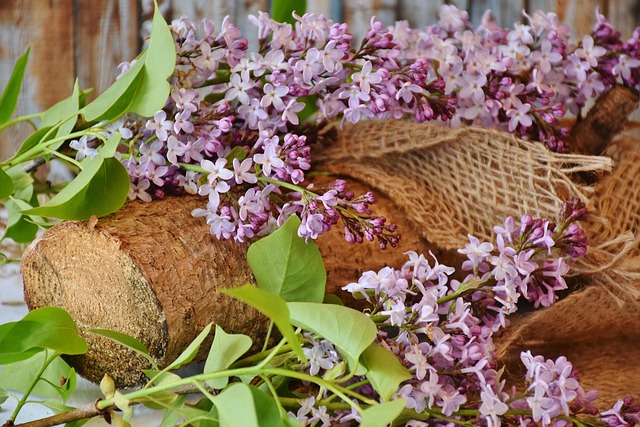
A calm, repeatable workflow: prep, mechanics, build, finish.
FAQ
Clear answers help you decide if this course matches what you want to learn. If something isn’t covered, send a message and we’ll clarify by email.
Ready to practice bouquet design with confidence?
Register interest to receive course details by email. No phone number required.
- Clear scope and learning outcomes
- Tool and flower sourcing guidance
- Reply within 1–2 business days